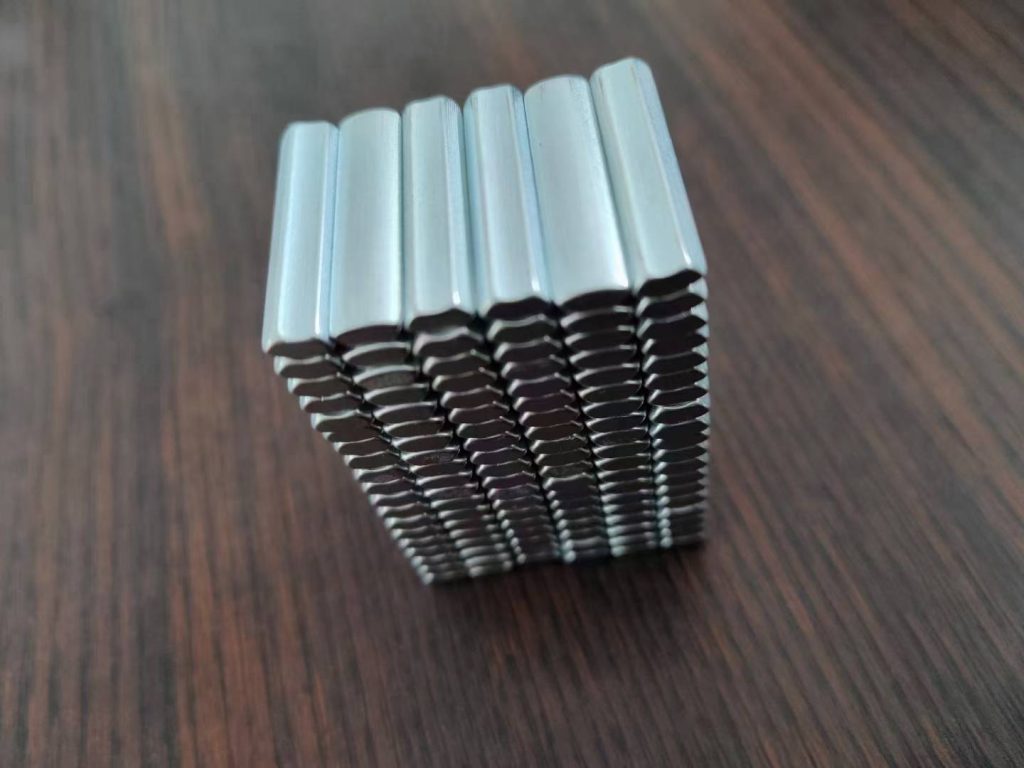
How to Prepare a Custom Magnet RFQ: 8 Specifications Buyers Should Provide
When sourcing a custom permanent magnet, a drawing is important—but a drawing alone rarely tells the whole story. Material grade, magnetization, operating temperature, coating and inspection conditions can all affect whether a part works reliably in the final assembly.
A complete request for quotation (RFQ) allows the supplier to evaluate manufacturability, select a suitable material and prepare a quotation against the same technical target that your team will later use for sample approval. It also reduces avoidable clarification rounds between purchasing, engineering and the magnet manufacturer.
Before sending your next custom magnet inquiry, provide the following eight specifications.
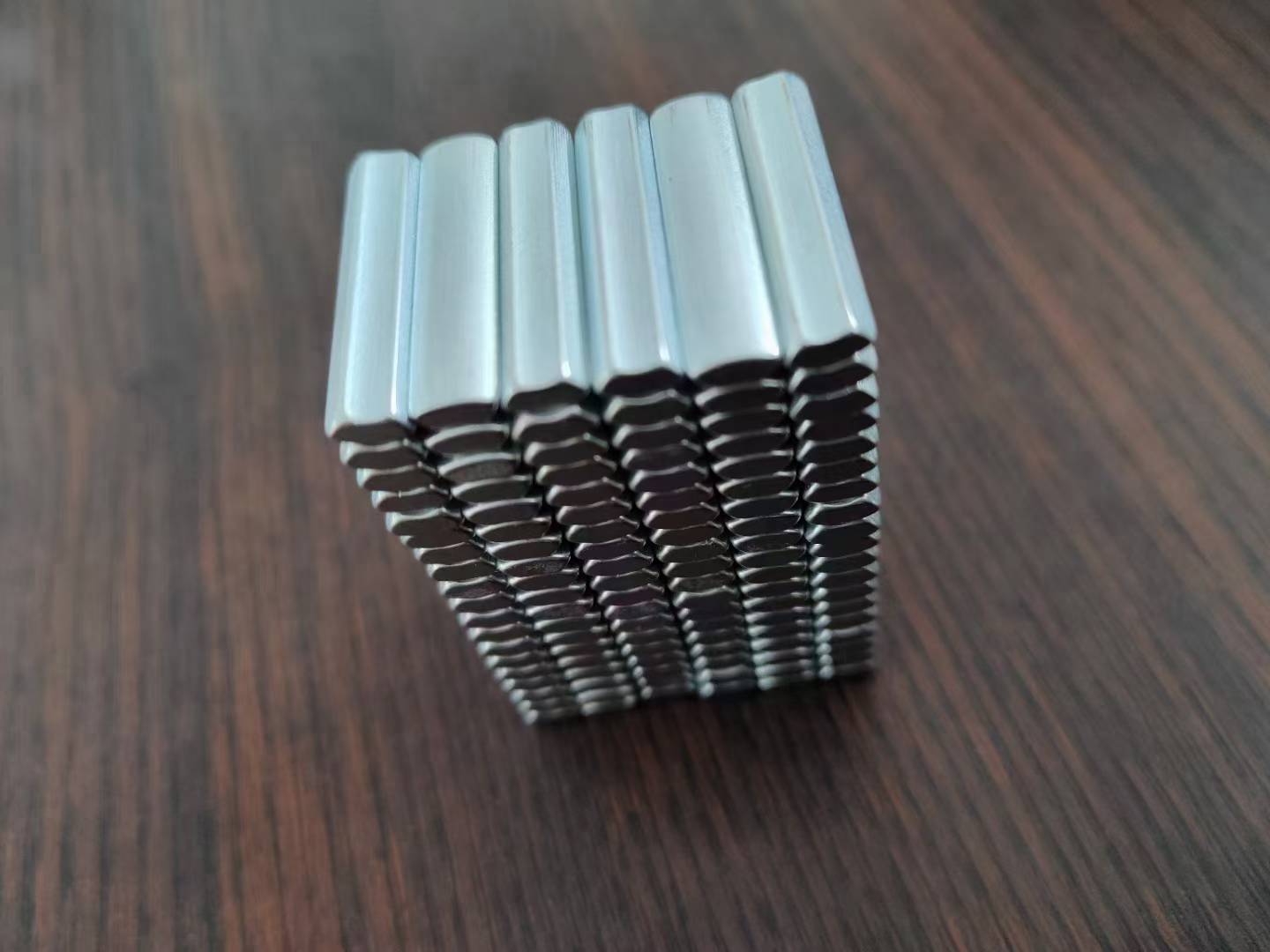
The Eight RFQ Items at a Glance
| No. | Information to provide | A useful buyer statement |
|---|---|---|
| 1 | Material and grade | “Sintered NdFeB; supplier to recommend the grade for the stated temperature and magnetic target.” |
| 2 | Shape, dimensions and tolerances | “Controlled 2D drawing attached; critical dimensions and post-coating limits are marked.” |
| 3 | Magnetization | “Magnetize through thickness; north face and pole sequence shown in the pole map.” |
| 4 | Temperature and environment | “Continuous 100°C, short peak 120°C; indoor use with occasional condensation.” |
| 5 | Coating | “Recommend a coating compatible with our adhesive and corrosion requirement.” |
| 6 | Magnetic inspection | “Measure flux using the agreed fixture and sampling plan.” |
| 7 | Application and assembly | “Bonded to a steel rotor with a defined air gap and automated polarity check.” |
| 8 | Quantity and delivery | “20 validation samples, then volume quotations at three annual-use levels.” |
These examples are not universal specifications. Their purpose is to show the level of context that turns a price request into an engineering-ready RFQ.
1. Magnet Material and Grade—or the Required Performance
Start by identifying the magnet material, such as sintered NdFeB or SmCo, and the preferred grade if it has already been validated in your design.
Do not select a higher grade only because its number is larger. The correct choice depends on magnetic output, resistance to demagnetization, working temperature, corrosion exposure, available space and cost. For example, a design with elevated temperature or a strong opposing field may require higher intrinsic coercivity rather than simply higher remanence.
If you do not know the grade, provide the performance target and application conditions instead. Useful information includes:
- Required magnetic field, flux, magnetic moment or holding force
- Maximum continuous and short-term peak temperature
- Available magnet envelope and air gap
- Any reverse field or demagnetization risk in the assembly
- Preferred material, if the design is already qualified
This gives the supplier enough context to recommend a grade instead of quoting an unsuitable default.
Material data sheets commonly use Br (remanence), Hcb/Hcj (resistance to demagnetization) and BHmax (maximum energy product). These values describe the magnetic material, while the field or force of the finished part also depends on geometry, magnetization, air gap and the surrounding magnetic circuit. If your engineering team has a functional target but not a final grade, send the target instead of treating one grade number as the complete specification.
2. Shape, Dimensions and Tolerances
Attach a dimensioned 2D drawing whenever possible. A 3D model is helpful for complex shapes, but it should not replace a controlled 2D drawing that defines the dimensions to be inspected.
The drawing should state:
- Shape and all critical dimensions
- Units, drawing revision and scale
- General tolerances and tighter tolerances for critical features
- Hole, slot, chamfer, radius and arc-angle details
- Datums and geometric tolerances where required
- Which dimensions apply before or after coating
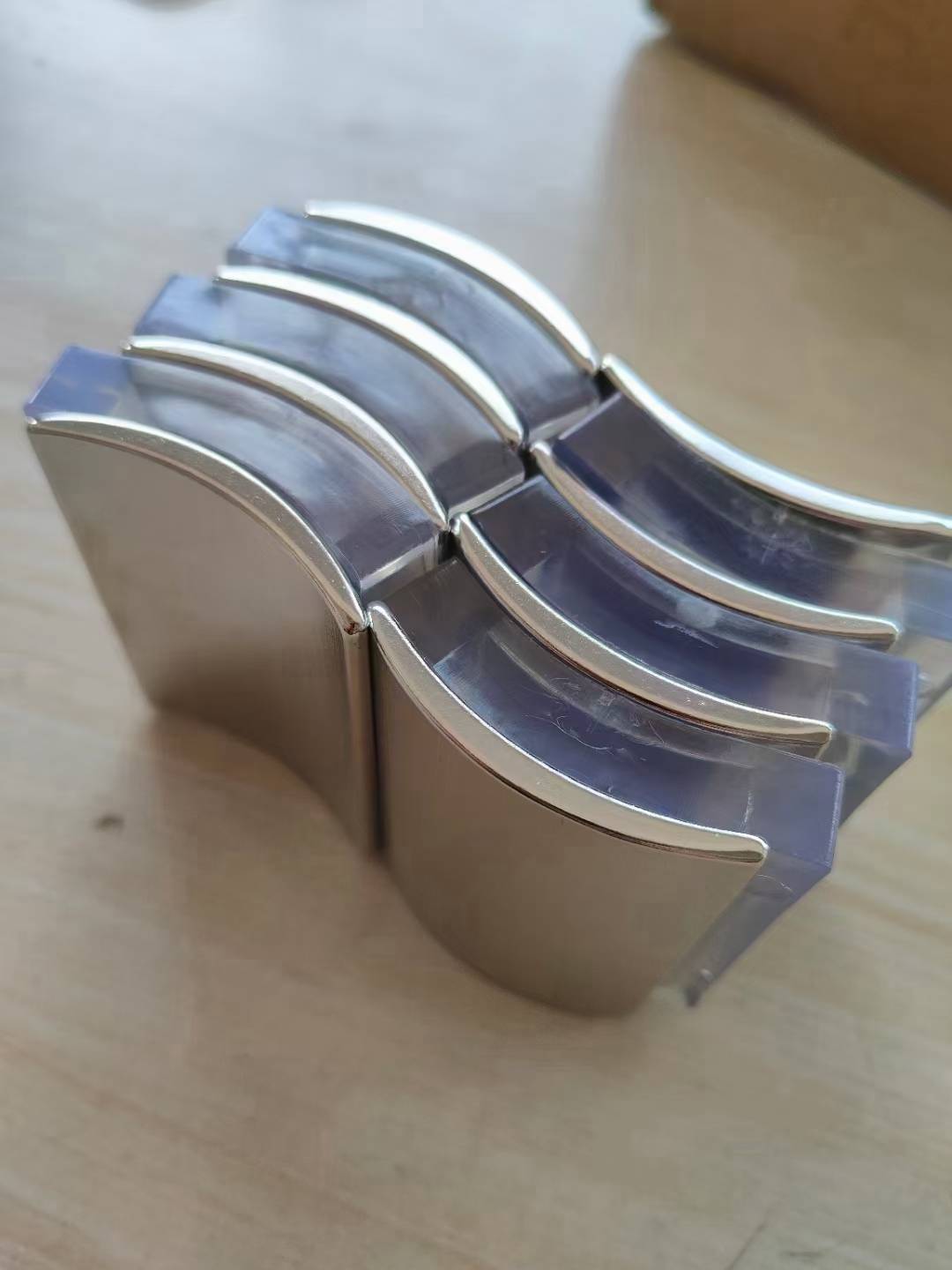
For an arc magnet, for example, the supplier may need the outer radius, inner radius, axial length, segment angle and magnetization direction. For a ring magnet, the outer diameter, inner diameter, thickness and concentricity may all influence manufacturing and assembly.
Avoid applying the tightest tolerance to every dimension. Sintered magnets are hard and brittle, and tighter tolerances may require additional grinding, inspection and sorting. Mark only the features that are truly critical to function.
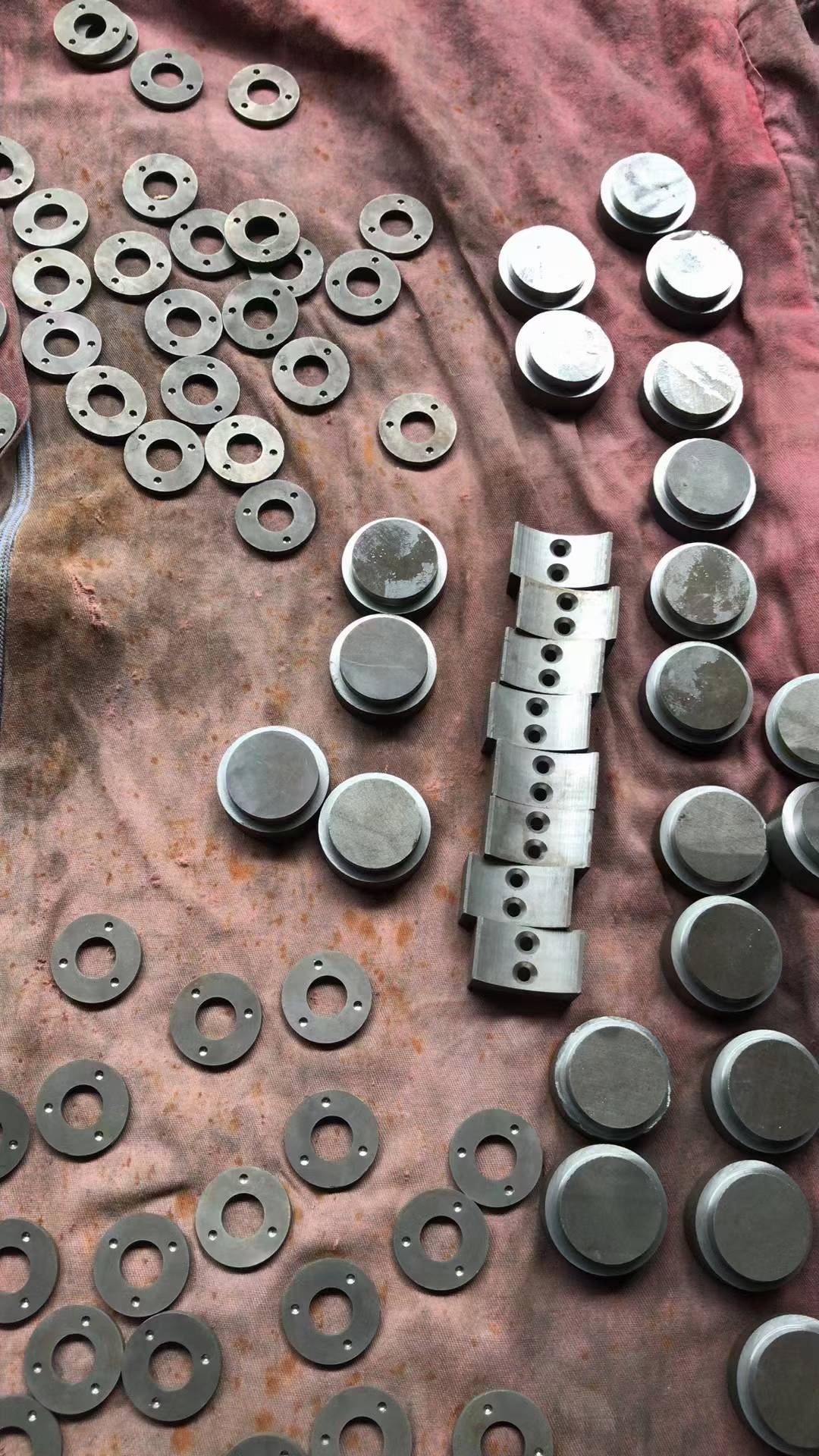
Protect the Drawing Without Making It Unusable
Buyers can remove customer names, end-product branding and unrelated assembly details before sharing a drawing. However, the supplier still needs a readable revision, units, datums, critical tolerances, coating condition and magnetization note. An “anonymized” image with dimensions blurred indiscriminately may protect confidentiality, but it cannot support a reliable quotation.
3. Magnetization Direction and Pole Arrangement
Magnetization is one of the most commonly missed RFQ details. State the direction clearly on the drawing rather than writing only “magnetized.”
Depending on the geometry and application, the requirement may be axial, diametrical, radial, through-thickness, multipole or a custom pole pattern. Also identify the north and south pole orientation if it affects assembly.
For multipole rings or segmented arrays, include a pole map showing:
- Number of poles
- Pole sequence and starting position
- Magnetization direction for each segment
- Permitted pole-position or magnetic-angle deviation, if critical
- Whether parts should be supplied magnetized or unmagnetized
The magnetization direction is closely related to material orientation and tooling. Defining it early helps the manufacturer assess feasibility before material preparation and machining.
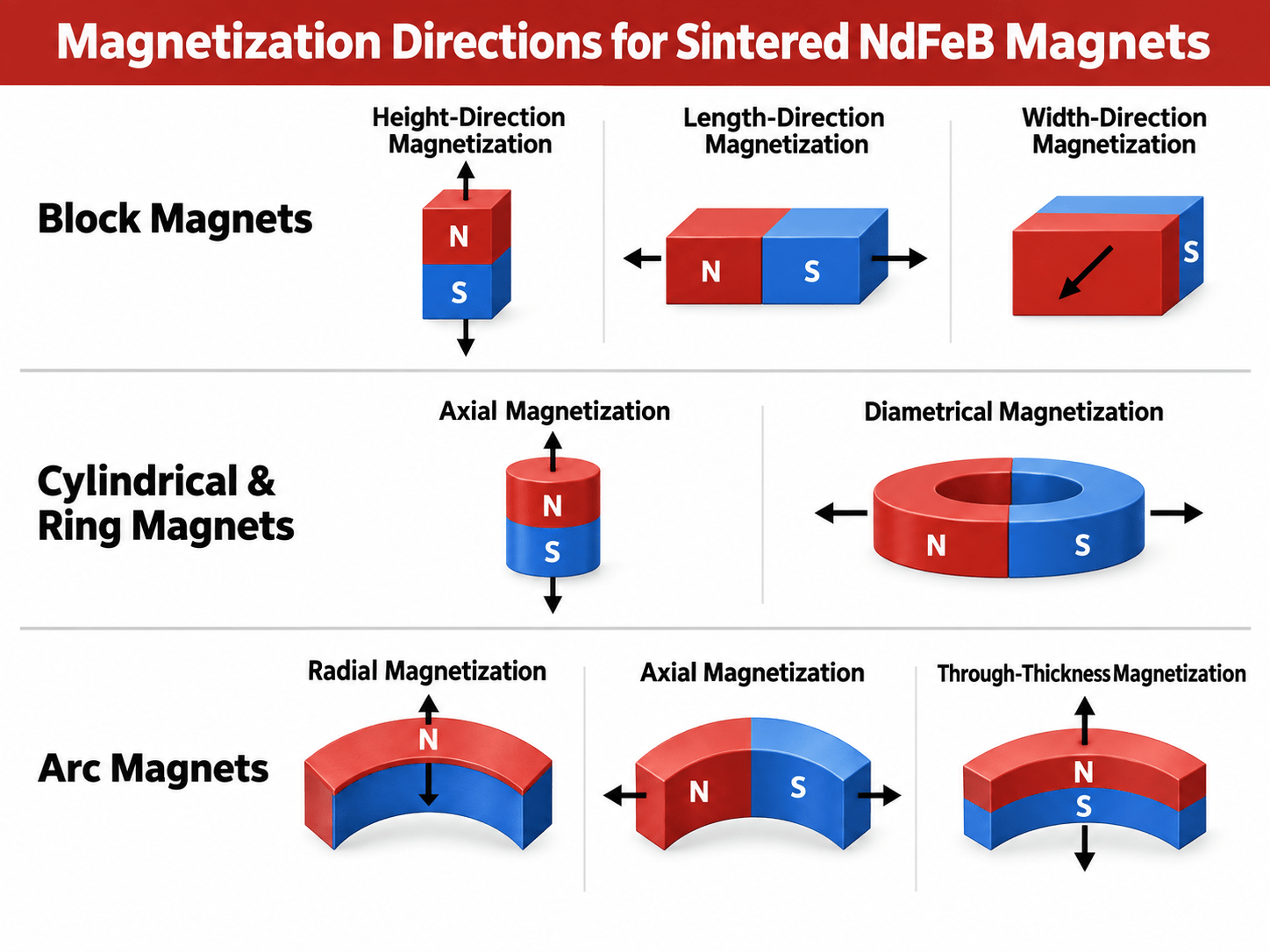
For rectangular magnets, identify whether magnetization is through the length, width or thickness. For discs and rings, distinguish axial, diametrical, radial and multipole requirements. For arc segments, show the direction and pole orientation directly on the drawing. A simple arrow and north/south marking can prevent an otherwise dimensionally correct part from being unusable in the assembly.
4. Operating Temperature and Service Environment
Provide both the maximum continuous operating temperature and any short-duration peak temperature. Also state the approximate time at temperature and whether the magnet experiences thermal cycling.
Temperature resistance cannot be evaluated from grade alone. The magnet shape, working point, air gap, nearby steel and opposing magnetic fields can influence demagnetization risk.
Environmental information should cover any relevant exposure to:
- Humidity, condensation or salt spray
- Outdoor weather or water immersion
- Oils, solvents, cleaning agents or other chemicals
- Vacuum or cleanroom conditions
- Vibration, impact or repeated mechanical loading
- Sterilization or other special processes
These details help determine the material, coating and validation method—not just the magnet size.
5. Coating and Surface Requirements
For NdFeB magnets, surface protection is often required because the material is susceptible to corrosion. Common options include zinc, nickel-copper-nickel and epoxy, but the right coating depends on the service environment and assembly process.
In the RFQ, specify:
- Preferred coating or desired color and finish
- Coating thickness limits, if they affect assembly
- Corrosion-resistance or salt-spray requirement
- Adhesion requirement and bonding method
- Restrictions such as RoHS, REACH or prohibited substances
- Areas that must remain uncoated, if any
If you are unsure which coating to choose, describe the environment and the adhesive or overmolding process. The supplier can then recommend an option for review instead of guessing from appearance alone.
6. Magnetic Performance and Inspection Method
Define how the finished part will be accepted. A material grade identifies a range of intrinsic properties, but it does not automatically define the magnetic value that will be measured on a finished magnet.
Possible acceptance criteria include:
- Surface field at a specified point and air gap
- Magnetic flux measured with an agreed coil or fixture
- Magnetic moment
- Pull force under defined test conditions
- Magnetic angle or pole-position accuracy
- Material-property verification using an agreed sampling plan
The test method matters as much as the number. A surface-field reading changes with probe position, air gap and part geometry. Pull force changes with the steel counterface, contact area, coating, surface condition and test speed. State the instrument, fixture, measurement position, units, tolerance and sampling quantity whenever the result is critical.
Dimensional and visual criteria should be handled the same way. Define where measurement is taken, what instrument is used, the sampling level and how chips, cracks, coating marks or other appearance conditions will be judged. Agreement before sampling is more useful than debating an undefined standard after parts arrive.
7. Application and Assembly Conditions
You do not need to disclose confidential system details, but a short description of how the magnet works in the assembly can prevent expensive specification mistakes.
Tell the supplier whether the magnet will be:
- Bonded, press-fitted, overmolded or mechanically retained
- Installed against a steel back plate, rotor, sensor or another magnet
- Used with a defined air gap
- Exposed to an opposing field, high rotational speed or repeated impact
- Assembled automatically, with polarity or orientation controls
Also identify critical risks such as edge chipping, adhesive squeeze-out, polarity reversal or interference with nearby components. This context allows the manufacturer to review chamfers, coating compatibility, handling and inspection from the perspective of the final product.
8. Quantity, Sample Plan, Packaging and Delivery
A quotation should reflect the expected business scenario. Prototype machining, production tooling, inspection effort and packaging can change significantly with quantity.
Include:
- Prototype or sample quantity
- First production order quantity
- Estimated annual usage or order frequency
- Target sample date and mass-production schedule
- Delivery location and preferred trade term, if known
- Individual separation, polarity marking or special packaging needs
If the forecast is uncertain, provide a realistic range. Asking for price breaks at several quantities is more useful than requesting a “mass-production price” without a volume. For magnetized parts, packaging and transport planning should also be discussed early because magnetic shielding and carrier requirements may apply.
If key technical details are still open, send the available drawing and application conditions through our Contact page so the missing RFQ items can be reviewed before pricing.
A Copy-and-Paste Custom Magnet RFQ Template
Use the following checklist in your next email or supplier form:
Application: [product or function; confidential details may be omitted]
Magnet material/grade: [known grade or “supplier recommendation requested”]
Required magnetic performance: [value, tolerance and test method]
Shape and drawing: [2D drawing revision and optional 3D file attached]
Critical dimensions/tolerances: [list key features]
Magnetization: [direction, pole count, pole map and polarity marking]
Operating temperature: [continuous and peak]
Environment: [humidity, salt spray, chemicals, vacuum, etc.]
Coating/surface: [coating, thickness or performance requirement]
Assembly method: [bonding, press fit, overmolding, steel back plate, air gap]
Inspection: [dimensional and magnetic acceptance criteria]
Quantity: [samples, first order and estimated annual volume]
Packaging/delivery: [special handling, destination and required date]
Common RFQ Mistakes to Avoid
The most frequent delays come from a few preventable gaps: sending only a photo, omitting magnetization direction, specifying a field value without a measurement position, using blanket tolerances, or selecting a grade without considering temperature. Another common issue is sharing an old drawing without a visible revision number, which makes it difficult to confirm which version should govern production and inspection.
Before sending the RFQ, ask one practical question: Could another engineer reproduce the intended part and acceptance test from this information without making assumptions? If the answer is no, add the missing condition.
Send Your Custom Magnet RFQ to HK Magnet
HK Magnet supports custom NdFeB and SmCo magnet projects, including material and grade review, manufacturability evaluation, sample testing and mass-production support. You can also review our technical support resources, NdFeB magnet range and SmCo magnet range.
Send your drawing, operating conditions and expected quantity to eric@hkmagnet.com, or submit your project through the HK Magnet contact page. If some specifications are still open, tell us the function the magnet must achieve and which requirements are fixed. Our team can help identify the remaining questions before quotation.